Thinking about listing a historic home in Greenwood? The right prep can help you protect the character buyers love while avoiding costly missteps before your home hits the market. If you want to make a strong first impression, keep documentation organized, and handle updates with care, this guide will walk you through what matters most. Let’s dive in.
Start With Historic Status
Before you schedule repairs or freshen up the exterior, confirm how your property is classified. Greenwood recognizes several historic areas, and some properties may fall under review by the Historic Preservation Commission or may be tied to district-related standards and incentives.
The city’s published historic-district map includes areas such as Downtown Historic, Grand Boulevard Historic District, River Road and Western Downtown Residential, Williams Landing-Eastern Downtown Residential, Cotton Row Historic District, and the Central Commercial and Railroad Historic District. Since the map notes that it is not legally binding, you should verify your home’s current status before starting exterior work.
This step matters for two reasons. First, district status can affect what kind of exterior changes may need review. Second, historic status may affect whether a property could qualify for certain Mississippi preservation incentives.
Focus on Repair Over Replacement
When you prepare a historic Greenwood home to list, the safest strategy is usually targeted repair instead of wholesale replacement. Preservation guidance supports keeping historic character in place whenever possible and repairing original features rather than removing them.
That means trendy updates are not always your friend. If your home has original doors, windows, mantels, trim, or built-ins, those features often add value to the story of the property and should be handled carefully.
Buyers looking at historic homes are often responding to authenticity. A house that feels well cared for and true to its character usually shows better than one that has been stripped of the details that made it special in the first place.
Keep Original Features When Possible
Historic windows are a good example. Guidance used in preservation work says repair should be the first option, and if replacement is truly necessary, the new feature should match the old one as closely as possible, with deterioration documented.
The same thinking applies throughout the home. If you can clean, stabilize, and repair an original feature, that often makes more sense than replacing it with something generic.
Avoid Over-Remodeling Before Listing
A pre-listing refresh should support the sale, not rewrite the home’s history. Large cosmetic projects that erase original materials can make it harder to present the home as a well-stewarded historic property.
Instead, aim for work that improves condition, safety, and presentation. Buyers can usually tell the difference between thoughtful care and unnecessary renovation.
Tackle Exterior Prep First
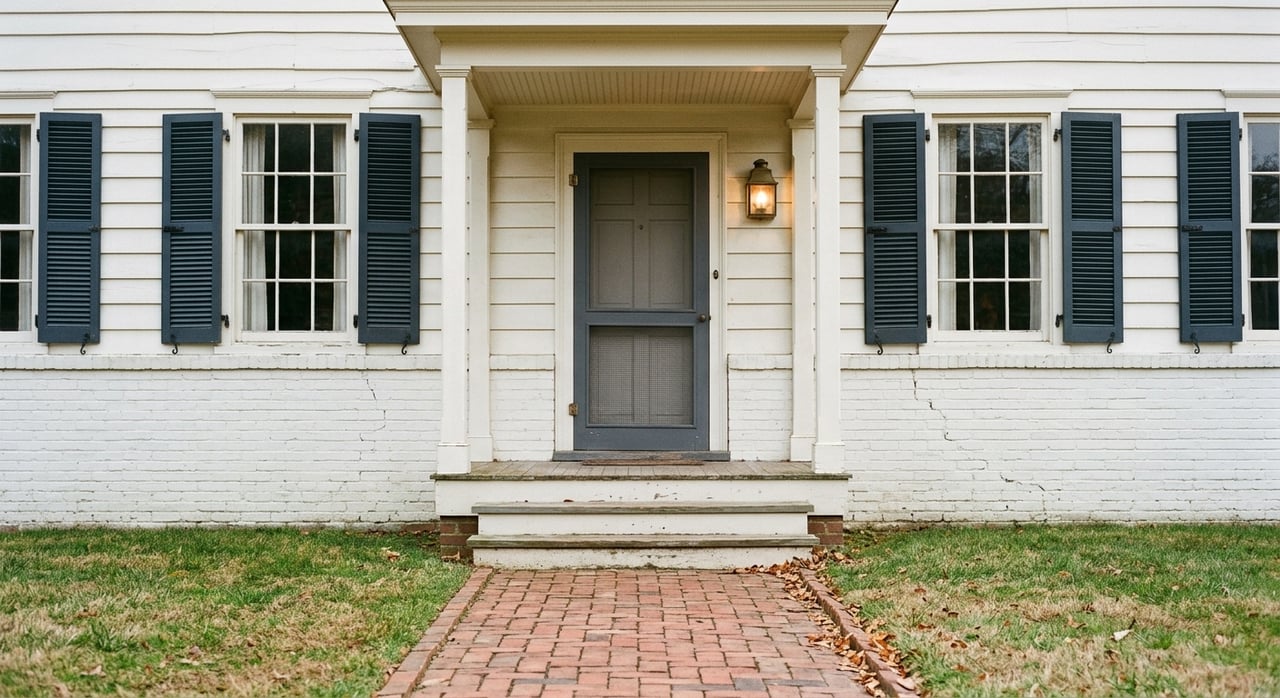
The outside of your home sets the tone for every showing and every listing photo. In Greenwood’s historic areas, exterior condition also carries extra weight because neighborhood character and preservation are part of the local story.
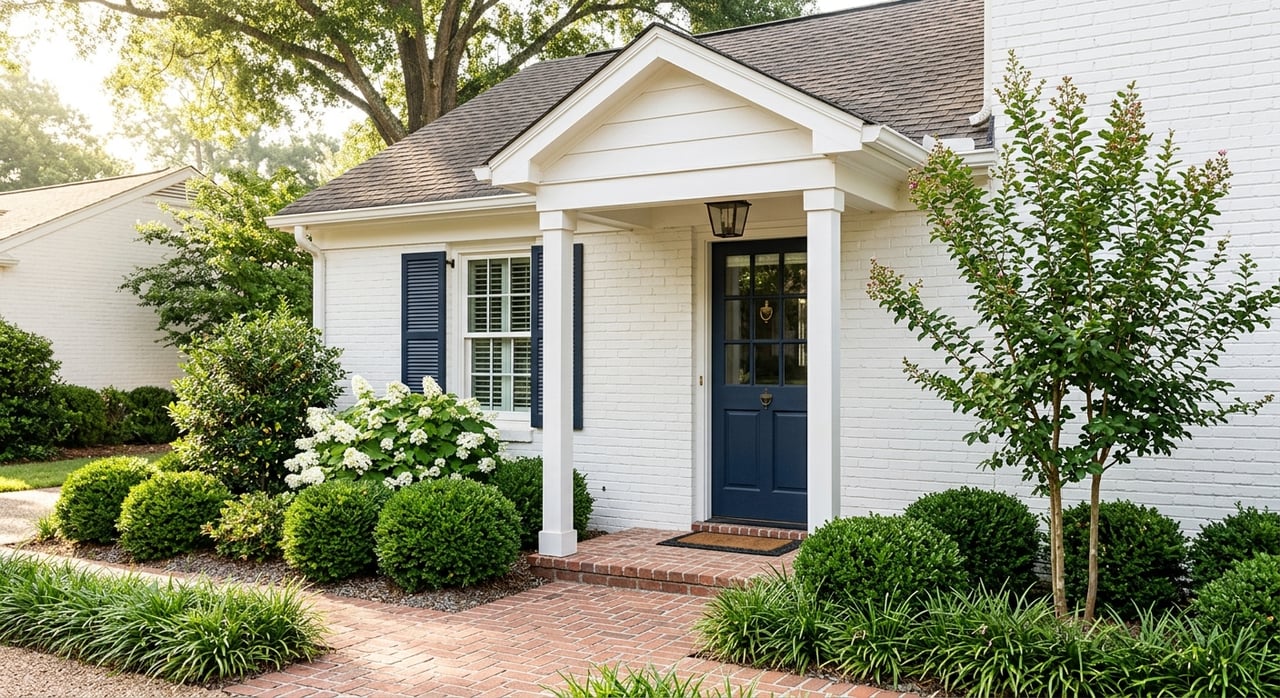
Start with the basics. Clean surfaces, touch up paint where needed, repair damaged trim, and check the condition of porches and railings.
Landscaping also matters. A neat yard, trimmed shrubs, and a clean approach to the front door can help your home feel cared for without distracting from its architecture.
Watch Greenwood Property Standards
Greenwood’s property-maintenance rules give sellers a useful checklist before listing. The city prohibits junk and debris, requires grass to be kept under 10 inches, and restricts inoperable vehicles in public view in residential areas.
The city also notes that vehicles should be parked on a driveway or paved area. If you are getting the home photo-ready, these details are worth addressing early so they do not become last-minute issues.
Check Before Exterior Changes
If your prep involves more than basic maintenance, pause before making exterior alterations. Greenwood advises property owners with historic features to preserve those features and work closely with the Preservation Commission and any private historical society.
For sellers, the practical takeaway is simple: if a project could affect the exterior or historic character of the home, check with the city before work begins. That can help you avoid compliance issues that may slow your listing later.
Fix Interior Issues Buyers Notice Fast
Inside the home, focus first on visible maintenance and functional concerns. Buyers are usually quick to notice signs of deferred upkeep, especially in older homes.
Patch leaks, service the HVAC system, and address electrical or plumbing problems before listing if possible. These items affect buyer confidence and can shape how the rest of the home is perceived.
After that, turn to presentation. Clean original floors, woodwork, mantels, and built-ins carefully so they read as assets, not projects.
Prioritize Safety and Function
Historic charm helps attract interest, but buyers still want a home that feels sound and manageable. Your goal is to show that the house has been cared for in a practical, responsible way.
That does not mean making everything look brand new. It means removing obvious concerns that could distract from the home’s architecture, layout, and character.
Use Licensed Pros for Specialty Work
If your pre-listing prep calls for electrical, plumbing, gas, or mechanical work, verify that the contractor is properly licensed through the city. Greenwood states that these trades require city licensing and proof tied to a qualifying exam or Mississippi State Board of Contractors license, along with a $5,000 performance bond.
For you as a seller, this is really about risk management. Verified licensing and proper permits can help you avoid problems with workmanship, inspections, or buyer questions during the transaction.
This is especially important in a historic home, where rushed or unqualified work can damage original materials. Careful coordination now can protect both your timeline and your property’s story.
Build a Buyer-Friendly History Packet
One of the best things you can do before listing a historic Greenwood home is create a clear, organized documentation file. Buyers often feel more confident when they can see what has been updated, what has been preserved, and how the home has been maintained over time.
A strong history packet does not have to be fancy. It just needs to be easy to understand and grounded in real records.
What to Gather Before Listing
Start with:
- Prior permits
- Contractor invoices
- Renovation dates
- Inspection reports
- Warranties
- Old photographs
- Newspaper clippings
- Any National Register or historic-district paperwork
This kind of recordkeeping aligns with how historic rehabilitation projects are documented in Mississippi. It also helps you explain what is original, what is restored, and what is newer work.
Why Documentation Helps the Sale
In historic properties, replacement choices and alterations should be supported by physical, pictorial, or documentary evidence. In plain terms, that means your records can help prove the care and thought behind the home.
From a marketing standpoint, documentation supports a stronger listing story. It gives buyers context, answers common questions, and can reduce uncertainty around older systems or prior work.
Understand Tax Credit Talking Points
You do not need to turn your listing into a tax seminar, but it helps to understand the basics. Mississippi’s state historic preservation tax credit is 25% of qualified rehabilitation expenses.
According to MDAH, owner-occupied residences may be eligible, and qualified expenses for an owner-occupied dwelling must exceed $5,000. Applicants are strongly encouraged to submit Part 1 and Part 2 before work begins.
It is also important to know that the federal historic rehabilitation tax credit works differently. The 20% federal credit applies to income-producing properties, not a personal residence.
Verify Eligibility, Don’t Assume
Historic incentives depend on the property’s status and whether the building qualifies under the applicable standards. Before making claims in your marketing or assuming a future buyer can use an incentive, verify whether the house is locally designated, in a National Register district, or otherwise recognized as a contributing historic property.
This is one more reason documentation matters. The more clearly you can show the home’s status and past work, the easier it is to have accurate, useful conversations with buyers.
Shape the Listing Around Stewardship
A great historic-home listing should do more than mention old floors and tall ceilings. It should present the home as a combination of character, livability, and proof of care.
That story matters in Greenwood, where the city highlights its historic neighborhoods, downtown walking tour, and ongoing renovation activity. Buyers are often drawn not just to the house itself, but to the sense that the property has been thoughtfully maintained as part of a larger local story.
Tell Buyers What Matters Most
As you prepare to list, aim to clearly show:
- What features appear to be original
- What has been repaired or restored
- What has been updated over time
- What work may still remain for a future owner
This approach builds trust. It helps buyers understand the home without overselling it, and it positions your property as a cared-for historic asset rather than a mystery.
A Smart Pre-Listing Plan for Greenwood Sellers
If you own a historic home in Greenwood, your best pre-listing move is usually not a dramatic makeover. It is a thoughtful plan that protects original character, handles visible maintenance, verifies any local review or permit needs, and organizes the home’s paper trail.
That kind of preparation can help your home photograph better, show better, and stand out to buyers who value authenticity. It also helps you enter the market with fewer surprises and a clearer, more confident story.
If you want experienced guidance on how to position a historic home for the Greenwood market, connect with Pam Powers for hands-on, local support.
FAQs
What should you fix before listing a historic home in Greenwood?
- Focus on visible maintenance, safety issues, and careful repairs to original features. Common priorities include paint touch-ups, damaged trim, porch or railing repairs, leak repair, HVAC service, and electrical or plumbing issues.
How do you know if a Greenwood home is in a historic district?
- Start by reviewing the city’s historic-district materials, then verify the property’s current status with the city before beginning exterior work, since published maps are not legally binding.
Should you replace old windows before listing a historic Greenwood house?
- Usually, repair should be considered first. If replacement is necessary, it should closely match the original feature, and the condition of the old window should be documented.
What records should you gather before selling a historic home in Greenwood?
- Gather prior permits, contractor invoices, renovation dates, inspection reports, warranties, old photos, clippings, and any district or National Register paperwork that helps explain the home’s history and updates.
Can a Greenwood historic homeowner qualify for Mississippi tax credits?
- Possibly. MDAH says the Mississippi state historic preservation tax credit is 25% of qualified rehabilitation expenses, and owner-occupied residences may be eligible if qualified expenses exceed $5,000 and other requirements are met.
Do historic-home improvements in Greenwood require permits or review?
- Many improvements may require permits, and projects affecting the exterior or historic character of a property may also need review or coordination with the city and the Historic Preservation Commission.