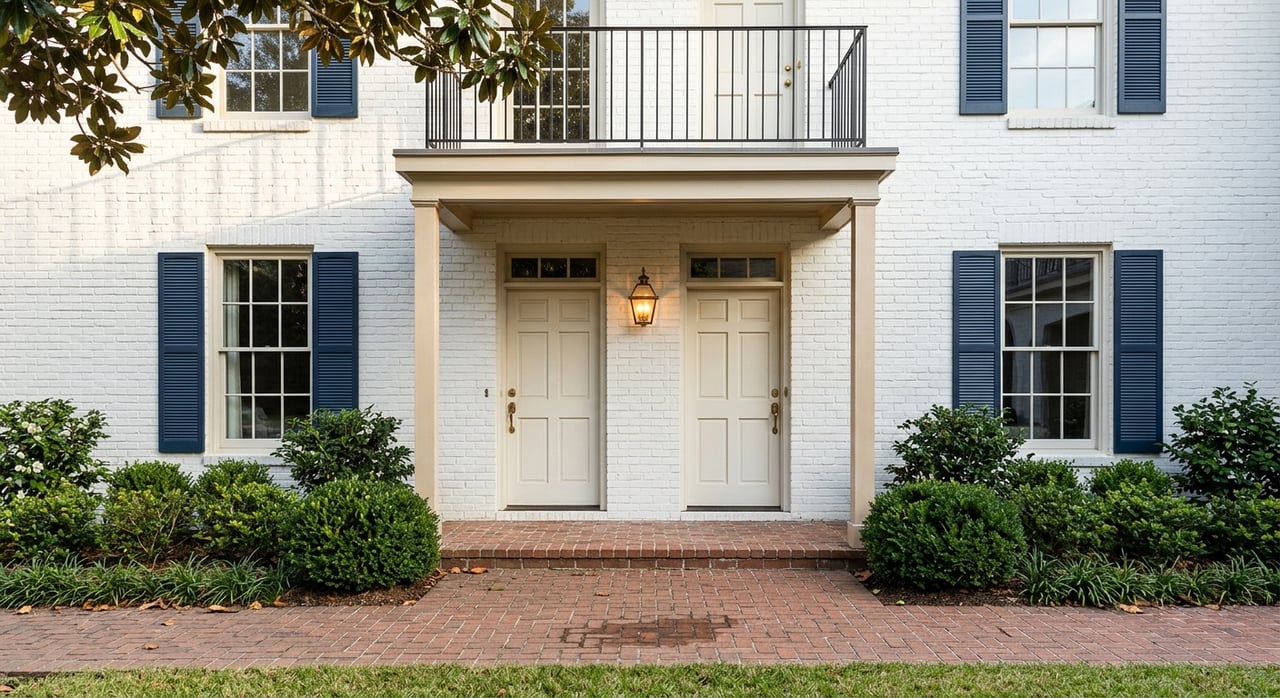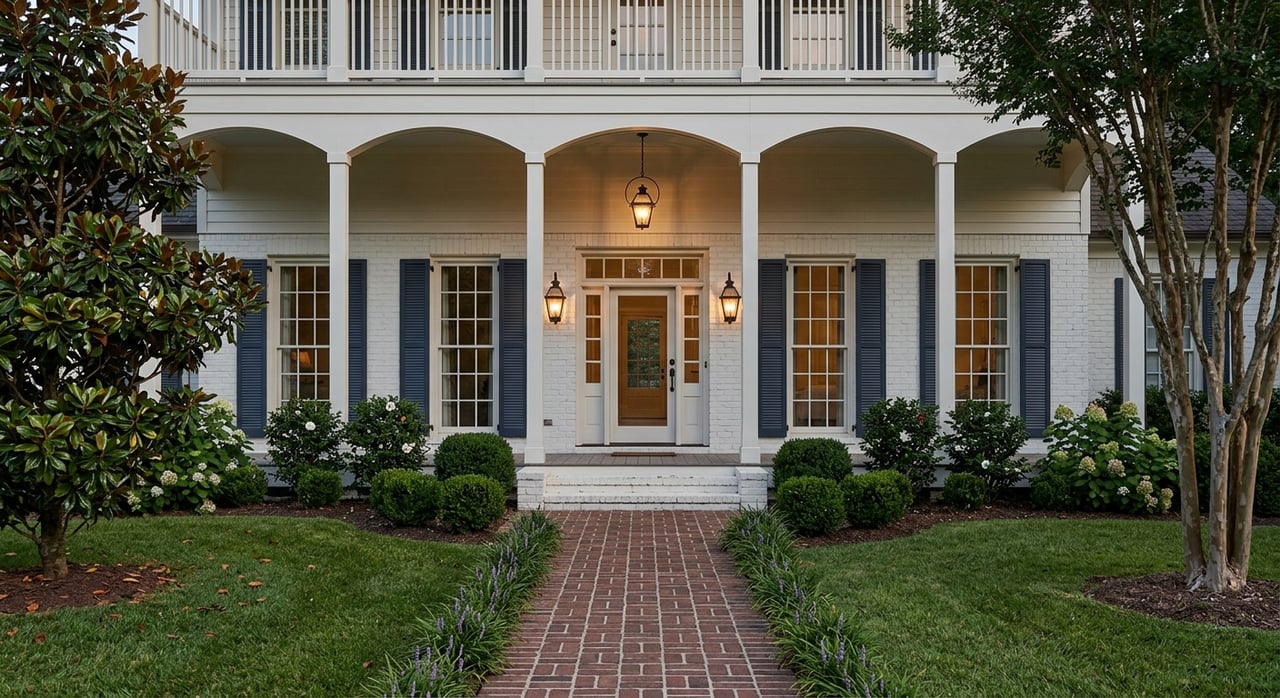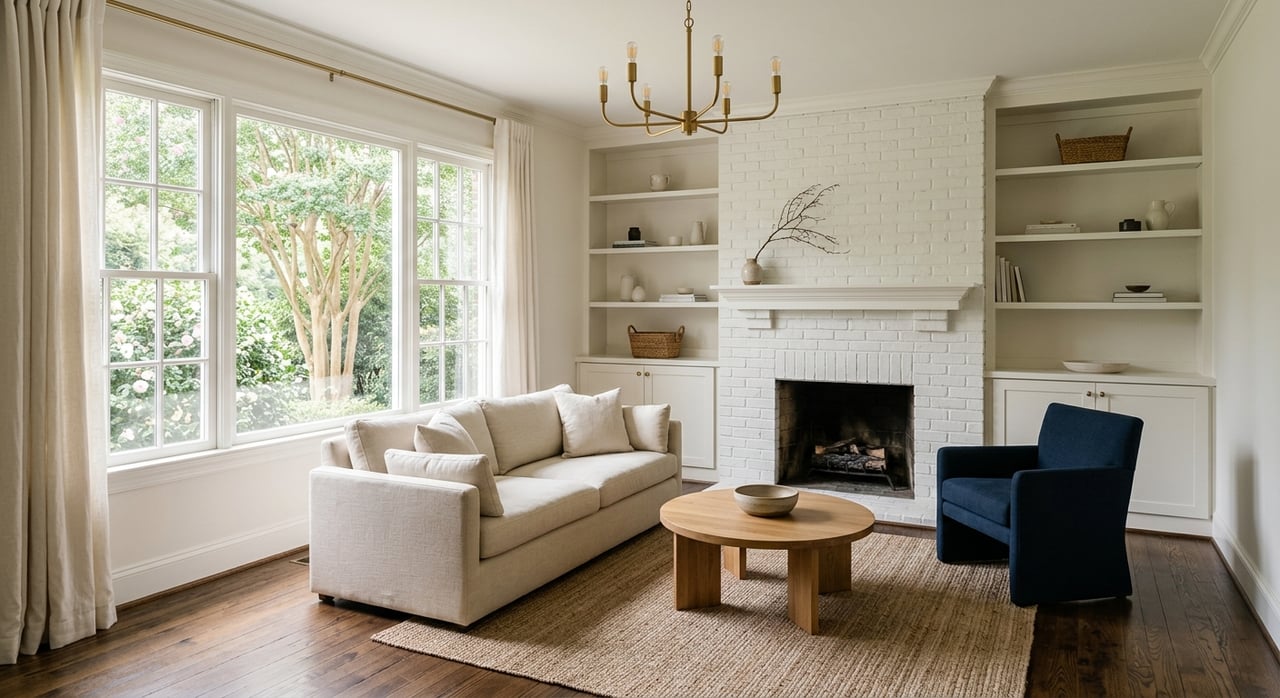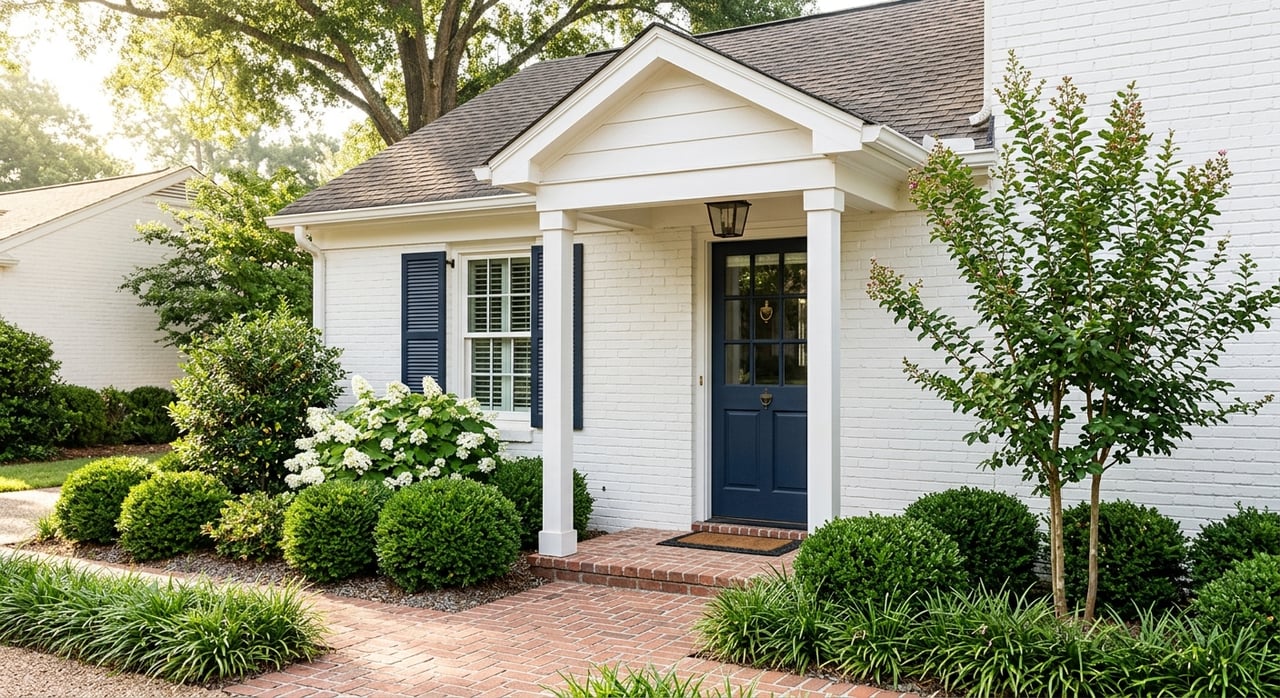
If the idea of keeping up with a big house and yard feels more tiring than rewarding, you are not alone. In Madison, downsizing can be less about giving something up and more about gaining time, convenience, and a simpler daily routine. The good news is that the local market offers several home types that can support a lower-maintenance lifestyle, especially if you know what to look for before you buy. Let’s dive in.
Why downsizing makes sense in Madison
Madison offers a strong local backdrop for buyers who want to simplify. The city had an estimated population of 28,575 as of July 1, 2025, and a 94.3% owner-occupied housing rate, according to Census QuickFacts. The same source shows that 16.2% of residents were age 65 or older in the 2020-2024 ACS, which helps explain why convenience, accessibility, and ease of upkeep matter to many local buyers.
This is also a place where downsizing can still feel connected and active. The city promotes retirement programming and highlights parks, shopping, services, and mixed-use development that can support a more convenient day-to-day lifestyle. Instead of focusing only on square footage, you can focus on how you want to live.
Low-maintenance homes in Madison
Not every smaller home is truly low-maintenance. In Madison, the best fit often depends on how much exterior upkeep you want to keep, what kind of shared amenities you value, and how comfortable you are with HOA rules.
Patio or garden homes
Madison’s zoning ordinance defines a patio or garden home as a detached single-family dwelling that may be built closer to one side lot line and includes a patio. For many downsizers, that matters because it points to a home style with a smaller footprint and often less yard to manage.
If you still want the feel of a detached house, this can be a smart middle ground. You may get more privacy than a multi-family setup while reducing some of the outdoor work that comes with a larger lot.
Townhomes
Madison has a townhouse residential district, and local rules address open space, landscaping, and maintenance responsibility for common open space and private driveways. The city also allows townhouse subdivisions to include shared features like trails, tennis courts, buildings, and pools.
That can make townhomes appealing if you want less individual exterior work and access to shared amenities. At the same time, shared upkeep usually means shared rules, so it is important to understand exactly what the community maintains and what remains your responsibility.
Condos
Condominiums can be a strong fit if your main goal is to reduce hands-on exterior upkeep. Madison’s zoning ordinance includes standards for condominium complexes such as site plans, parking and loading rules, and open-space requirements.
In many condo communities, the association often takes on more responsibility for shared structures and common areas. That can mean less exterior maintenance for you, but it also means you need to look closely at dues, rules, and the scope of association services before you buy.
Smaller detached homes
A smaller detached home can also work well for downsizing, but the maintenance picture is not always obvious at first glance. In Madison, upkeep obligations can depend on recorded covenants and association rules tied to the property.
That means one small house may come with very little yard work, while another may still require you to handle most exterior tasks yourself. The size of the home alone does not tell the full story.
What “low-maintenance” really means
Low-maintenance living does not always mean no maintenance. More often, it means you are shifting from private yard work and exterior chores to a shared system of upkeep through an HOA or similar community structure.
That tradeoff can be a great fit if you want to spend less time on mowing, landscaping, or exterior repairs. Still, it works best when you understand the details before closing, not after move-in.
HOA questions to ask before you buy
In Madison, subdivision regulations require restrictive covenants to be recorded. The city also states that in patio home and townhouse subdivisions, owners, not the city, are responsible for liability insurance, taxes, and maintenance of open space and other common facilities.
That is an important point for downsizers. A drive court, greenspace, or shared amenity may look public-facing, but that does not mean the city maintains it.
Ask what the HOA maintains
Start with the basics. Ask for a clear breakdown of what the HOA covers and what you will still need to handle yourself.
This may include:
- Lawn care
- Landscaping in common areas
- Roofs or exterior surfaces
- Private driveways
- Shared open space
- Recreational amenities
The goal is to understand your real day-to-day responsibilities, not just the marketing description of the community.
Ask what approvals are required
If you think you may want to personalize the home later, ask what exterior changes require approval. This can include paint colors, fencing, landscaping changes, additions, and other visible updates.
These rules are often spelled out in recorded covenants, CC&Rs, or bylaws. Reviewing them early can save you frustration later.
Ask how rules are enforced
Some buyers want a community with clear, consistent standards. Others prefer more flexibility. Neither approach is right or wrong, but you should know what to expect.
Ask practical questions about how standards are enforced and how often owners interact with the board or management. That can give you a better sense of daily life in the community.
Budget for the full monthly cost
When you downsize, a lower purchase price does not always mean a lower total monthly cost. HOA dues are usually paid separately from the mortgage, and they can vary widely depending on the property and community.
That is why it helps to compare the full carrying cost of each option. Look at the mortgage payment, HOA dues, insurance, taxes, utilities, and likely maintenance expenses together.
A simple cost comparison
| Cost category | What to review |
|---|---|
| Mortgage payment | Principal, interest, and escrow if applicable |
| HOA dues | Separate monthly or periodic dues |
| Insurance | Owner policy and any additional coverage needs |
| Taxes | Current property tax obligations |
| Maintenance | What you still handle inside or outside the home |
| Future updates | Any near-term repairs or improvements you may want |
A smaller home that includes HOA dues may still be the better value if it saves you time and reduces surprise exterior costs. The key is to compare homes on total cost and lifestyle fit, not just list price.
Look at convenience beyond the front door
A good downsizing move should make daily life easier, not just shrink your home. In Madison, that often means paying attention to nearby parks, services, shopping, and community spaces that support an active routine without a lot of effort.
The city highlights several outdoor options that fit this lifestyle. Strawberry Patch Park includes a one-mile lighted walking trail, Liberty Park offers a 1.5-mile paved trail, Simmons Arboretum has walking trails and native plant displays, and the Madison Station Botanic Garden includes trails and courtyards across more than seven acres.
If you want less private yard to manage, nearby public or city-promoted outdoor spaces can matter a lot. They give you room to walk, relax, and stay engaged without putting more maintenance on your shoulders.
Think about aging in place
For many buyers, downsizing is really about planning ahead. You may want a home that works well now and still feels practical in the years ahead.
Madison supports that conversation in a few helpful ways. The city promotes a retirement program with recreational, educational, and cultural opportunities, and Mississippi DHHS says every community in the state is served by an Area Agency on Aging that can help older adults with meals, transportation assistance, senior centers, Medicare help, and caregiver support.
That does not mean every buyer needs the same features or services. It simply means Madison offers a setting where convenience and support can be part of the bigger picture as you choose your next home.
Check flood risk before you close
Before you buy any low-maintenance property in Madison, take time to review flood-related information. The city’s flood management page tells residents to know their flood hazard, contact City Hall about flood risk, and get permits before adding fill or making substantial improvements.
This is especially important if you expect to make updates after closing. A home may feel like the perfect fit today, but future plans for improvements can be affected by flood-related rules and permit requirements.
A smart downsizing strategy for Madison buyers
If you are buying a low-maintenance home in Madison as you downsize, the best approach is to balance three things: the home itself, the community rules, and the lifestyle around it. A patio home, townhome, condo, or smaller detached house can all work well, but only if the ownership responsibilities match what you want your next chapter to look like.
This is where careful local guidance matters. When you review covenants, compare full monthly costs, and think through long-term convenience, you are much more likely to end up with a home that feels freeing instead of frustrating.
If you are ready to simplify your move and find a home that fits the way you want to live in Madison, Pam Powers can help you evaluate your options with practical, local guidance and full-service support.
FAQs
What types of low-maintenance homes are common in Madison, Mississippi?
- In Madison, buyers often look at patio or garden homes, townhomes, condominiums, and smaller detached single-family homes, each with different maintenance responsibilities.
What should you ask an HOA before buying a downsizing home in Madison?
- Ask what the HOA maintains, what you still maintain, what exterior changes require approval, how dues are structured, and how community standards are enforced.
Are HOA dues included in your mortgage payment for a Madison home?
- Usually no. HOA dues are typically paid separately from the mortgage payment, so you should include them in your full monthly budget.
Why do recorded covenants matter when buying a smaller home in Madison?
- Recorded covenants can spell out maintenance duties, use restrictions, and shared property responsibilities, which directly affect how low-maintenance the home will actually be.
What local lifestyle features support downsizing in Madison, Mississippi?
- Madison offers city-promoted parks, walking trails, shopping, services, and retirement programming that can make daily life easier when you choose a home with less private upkeep.
Why should flood risk be part of your Madison home search?
- Flood risk can affect both your ownership costs and your future improvement plans, so it is smart to review hazard information and permit requirements before closing.