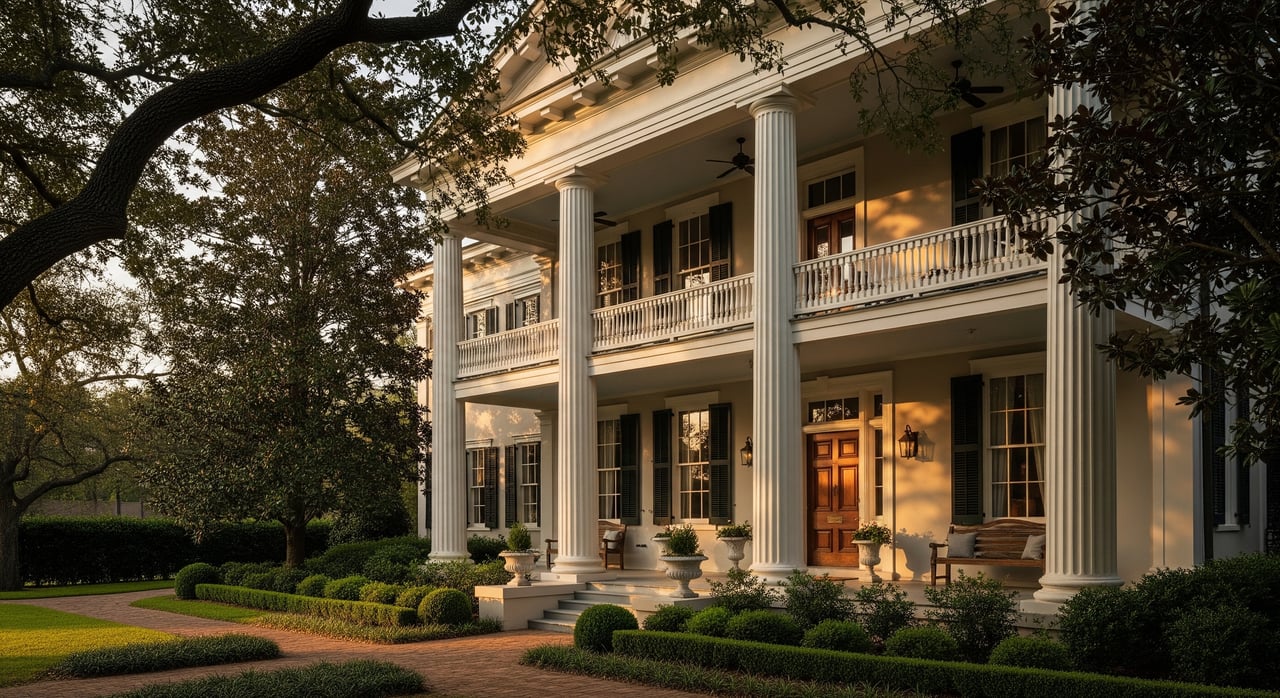
Is a stately front porch or original heart pine floors calling your name? Buying a historic home in Greenwood can be deeply rewarding, but it also comes with unique steps you do not face in newer construction. You want character without surprises, clear rules before you renovate, and a plan for financing and inspections.
This guide gives you a practical path forward. You will learn what “historic” really means in Greenwood, how to assess condition, which regulations may apply, and smart ways to finance and manage a renovation. Let’s dive in.
Why Greenwood’s historic homes stand out
Greenwood grew as a river and cotton hub, so you will find a wide range of architecture and eras across town. Many homes feature original millwork, tall ceilings, large porches, and walkable, tree-lined streets that define the Delta’s sense of place.
What “historic” means here
Historic recognition can occur at several levels. The National Register of Historic Places is federal recognition of cultural or architectural significance. A key point: National Register listing alone does not automatically restrict what a private owner can do. Local rules are different. If a home sits in a locally designated historic district under a city ordinance, exterior changes may require a design review or a Certificate of Appropriateness.
Some properties also carry preservation easements or deed covenants that control alterations regardless of register status. A title search and a quick call to the City of Greenwood planning or building department can clarify your property’s status.
Common Greenwood styles
In Greenwood and the Delta, you will see Greek Revival, Queen Anne and other Victorian-era designs, Colonial Revival, Craftsman bungalows, and shotgun houses. Downtown areas also include early commercial storefronts. Each style has distinct materials and details that affect how you maintain and improve the home.
Benefits and tradeoffs to weigh
Historic homes deliver architectural character, unique craftsmanship, and a strong sense of community. For certain income-producing properties, federal historic rehabilitation tax credits may be available for qualifying certified work. Owner-occupied single-family homes generally do not qualify for the federal credit, and Mississippi programs can change, so you should confirm current options with state preservation staff before you count on incentives.
Tradeoffs often include higher maintenance, possible design review for exterior changes if locally designated, and the cost of updating old systems. You will want a clear inspection plan to avoid hidden surprises.
Know the rules before you renovate
Register listings vs. local rules
A National Register listing recognizes significance, but local designation typically governs what you can change. If a property is in a local historic district, some exterior work may require review and a permit. Start with the City of Greenwood planning or building department to confirm whether local design rules apply to the home you are considering.
Easements and covenants
Preservation easements and recorded covenants can limit changes to facades, windows, or materials. A preliminary title search will help you understand any recorded restrictions before you make an offer.
Inspection checklist for Delta homes
Greenwood’s climate and age of housing stock make careful inspections essential. Historic homes often show charming details while hiding costly repairs.
Structure and exterior
- Foundations: Many older homes sit on pier-and-beam or brick piers. Look for settling, sagging floors, cracked or leaning piers, and poor crawlspace ventilation or drainage.
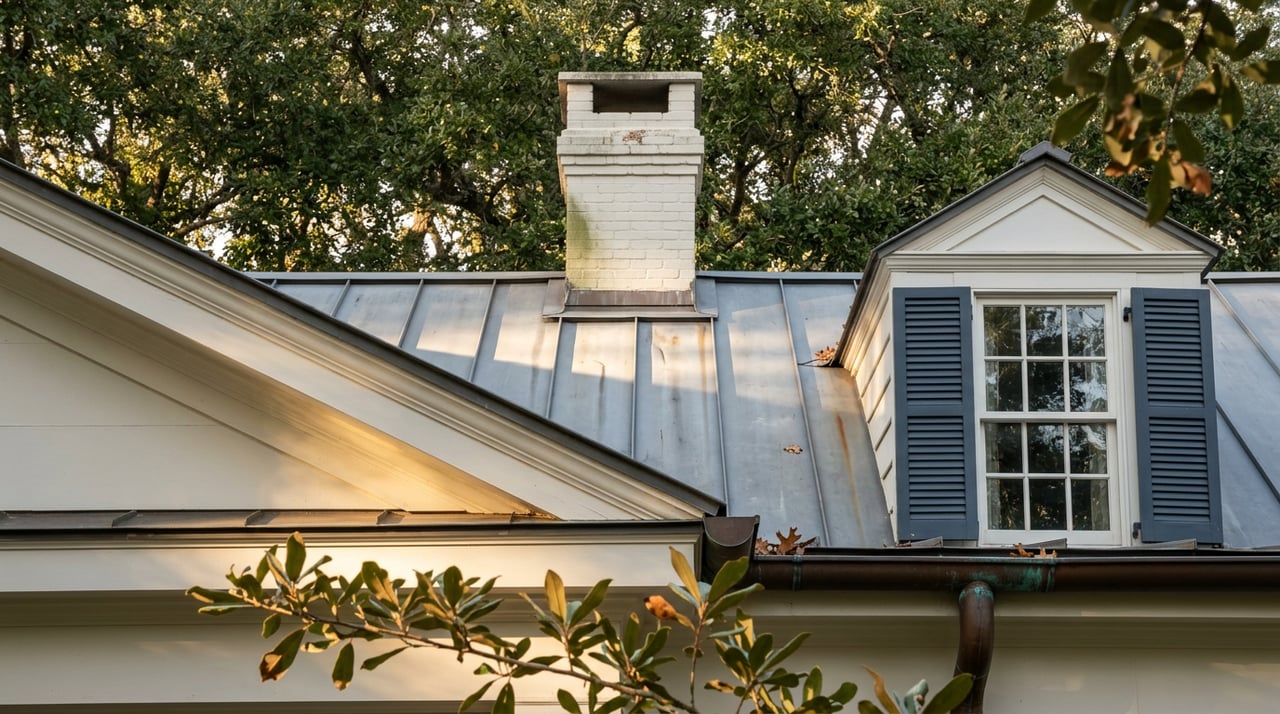
- Masonry and chimneys: Check mortar deterioration and chimney stability.
- Roof and drainage: Inspect sheathing, flashing, and box gutters. Water stains and leaks often start at flashing or old gutter systems.
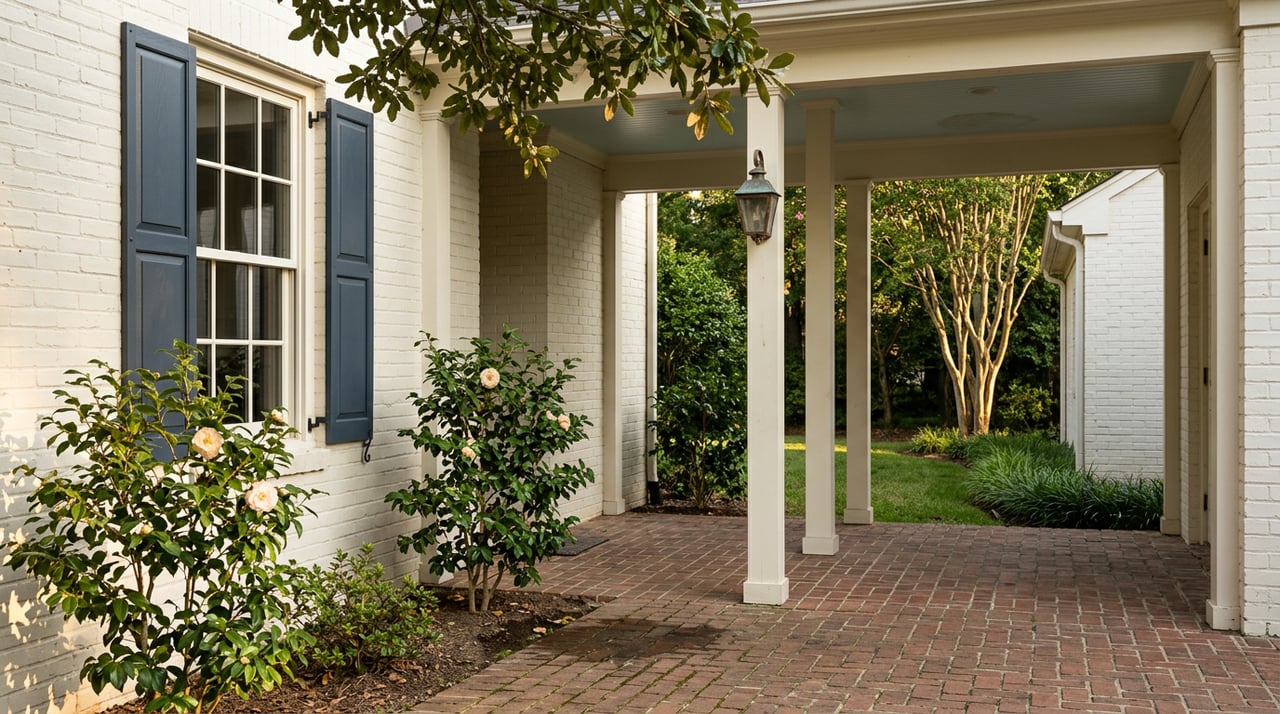
- Porches and exterior woodwork: Probe for wood rot, insect damage, and loose columns or steps.
Systems and safety
- Electrical: Older service panels, low amperage, and knob-and-tube or cloth-insulated wiring may need upgrades.
- Plumbing: Galvanized or cast iron lines can corrode and leak.
- HVAC: Plan for efficient systems that fit the house without damaging historic fabric, especially where no ducts exist.
- Hazardous materials: Homes built before 1978 may contain lead-based paint. Some older materials can contain asbestos. Testing and certified contractors may be needed.
Flood and moisture risks
Greenwood and the wider Delta include flat, low-lying areas. Review FEMA flood maps and ask for an elevation certificate or past flood info. Flood zone status affects insurance needs and lender approval. Inside, look for signs of past water intrusion, mold, and ventilation problems.
Specialized inspections
- General home inspector experienced with older homes
- Structural engineer if you see major cracking or settling
- Termite and wood-destroying organism inspection
- Environmental testing for lead, asbestos, or mold where indicated
- Survey or elevation certificate if flood insurance is a question
Financing your purchase and rehab
Historic homes often need both purchase money and renovation funds. The right loan can combine them.
Renovation loan options
- FHA 203(k) Rehabilitation Loan: Combines purchase and renovation into one mortgage. There are limited options for smaller projects and standard options for structural work.
- Fannie Mae HomeStyle Renovation: A conventional mortgage that finances renovations for owner-occupied and second homes, subject to lender participation.
- VA renovation options: Some VA lenders allow funds for repairs for eligible veterans. Availability varies by lender and scope.
- HUD Title I Property Improvement Loan: May cover smaller improvements depending on lender participation and limits.
- USDA programs: Parts of Leflore County may qualify for USDA repair loans or grants and other rural programs. Check eligibility rules and participating lenders.
A local lender familiar with renovation loans can help you decide which product fits your goals, timeline, and the home’s condition.
Insurance and appraisal factors
Lenders want safe, livable homes with marketable value. Major deferred maintenance can affect loan eligibility. Appraisers rely on comparable sales, and unique historic features or non-standard layouts can complicate valuation. Insurance carriers may require updates to older systems and separate flood coverage if the property lies in a higher-risk zone.
Budgeting and timeline realities
Budget for the work you can see and prepare a contingency for what you cannot. Many buyers set aside 10 to 25 percent as a cushion, though actual needs vary by house and scope.
If a property is subject to local design review, allow time for permits and approvals. Cosmetic updates can take weeks. Structural, mechanical, or complex rehabilitation can take months, and certified tax credit projects for income-producing properties may take a year or longer.
Your Greenwood buying roadmap
Pre-offer due diligence
- Confirm whether the property has national, state, or local historic status and whether local design review applies.
- Ask your agent to order a preliminary title search for easements or covenants.
- Schedule a general home inspection and add specialized inspections as needed.
- Review FEMA flood maps and request elevation or flood documentation. Secure preliminary flood and homeowners insurance quotes.
- Request maintenance and treatment records for roof, termite, HVAC, and permitted work.
- Review comparable sales with your broker that account for condition and historic features.
Smart contingencies
Consider contingencies for inspections, repair cost estimates, financing approval, and clear title. If you plan a renovation loan, build that into timelines and lender conditions. Escrows or allowances can address issues that surface after inspections.
After closing
- Tackle weatherproofing and pest control right away if needed.
- Line up contractors early and apply for required permits. Keep clear documentation for any incentive applications.
- If you plan to use any credits or grants for eligible projects, secure guidance before starting work.
Why work with a local historic-savvy broker
A Greenwood broker who understands historic properties can save you time, money, and stress. The right partner will help you identify neighborhoods that fit your lifestyle, verify local designation status, and connect you with planning staff when needed. They can assemble comps that reflect fix-up versus turnkey value, coordinate inspectors and preservation-minded contractors, and structure a contract with the right contingencies and credits.
Powers Properties, led by broker Pam Powers, focuses on Greenwood’s historic homes and provides white-glove coordination through a vetted local network of inspectors, contractors, lenders, attorneys, and preservation professionals. You get clear guidance, strong negotiation, and a plan built for the realities of Delta homes.
Ready to find your Delta classic?
If a Greenwood historic home is on your horizon, you deserve a guide who knows the architecture, the rules, and the right people to call. Reach out to Pam Powers for expert help finding the right property, verifying requirements, and coordinating inspections and financing.
FAQs
Does a National Register listing restrict changes to a Greenwood home?
- National Register status alone typically does not restrict private owners. Local historic district rules or recorded easements are what usually require design review. Confirm with city planning staff for the property you are considering.
Can I get tax credits to restore an owner-occupied historic house in Greenwood?
- Federal historic rehabilitation tax credits generally apply to income-producing properties, not owner-occupied single-family homes. Check with state preservation staff to see what, if any, Mississippi incentives are currently available.
What inspections are most important for older Delta homes?
- Start with a general home inspection, then add a termite inspection, structural engineer evaluation if needed, and environmental testing for lead, asbestos, or mold where indicated. Review flood risk and request elevation documentation.
How do renovation loans work for historic homes in Greenwood?
- Options like FHA 203(k) and Fannie Mae HomeStyle combine purchase and renovation funds. Terms, allowed repairs, and lender participation vary, so speak with a lender experienced in renovation mortgages.
How much should I set aside for hidden repairs?
- Needs vary by house and scope. Many buyers include a 10 to 25 percent contingency on top of contractor estimates. Detailed inspections help reduce uncertainty.
Will flood zones affect my mortgage and insurance?
- Yes. If the home sits in a higher-risk flood zone, lenders may require flood insurance, and premiums will factor into your budget. Verify zone status, ask for elevation data, and get quotes early.