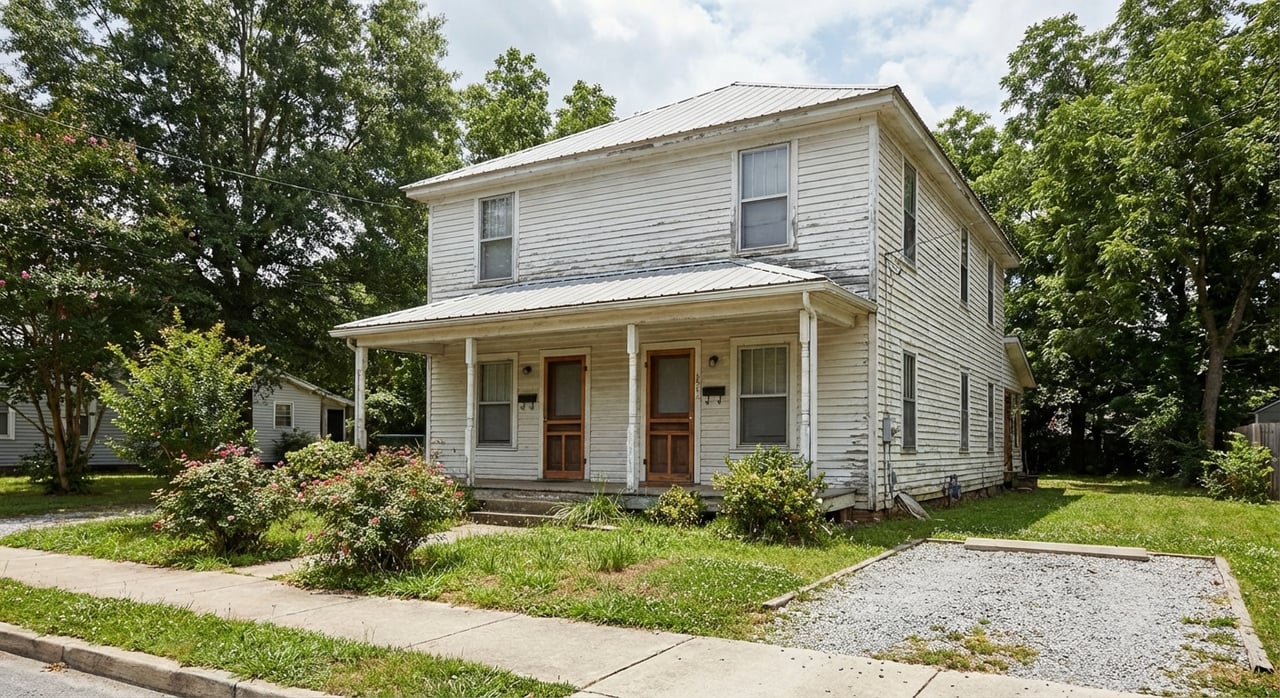
Looking for steady cash flow on a manageable budget? If you’re eyeing duplexes, triplexes, or small apartment buildings in Greenwood, you want clear numbers and a grounded plan. In this guide, you’ll see how local rents, pricing, and due diligence stack up, plus a practical checklist to move from interest to offer. Let’s dive in.
Why Greenwood fits small multifamily
Greenwood’s scale and price points can make entry costs approachable. The U.S. Census estimates roughly 13–14k residents, and population has been edging down, which matters when you model long-term rent growth. Median gross rent sits around $743, and home values are far below national averages, with Zillow’s local index indicating a typical home value near $87k. Lower purchase prices can help you target higher nominal yields, but they often come with thinner liquidity and more hands-on operations. (U.S. Census QuickFacts)
Demand is anchored by local employers such as manufacturing and food-processing operations, Greenwood Leflore Hospital, Mississippi Valley State University, and national retailers. When you evaluate a property, map proximity to these employment clusters to understand day-to-day tenant demand. Expect opportunities to focus on workforce housing rather than amenity-heavy rentals. (Greenwood Economic Development Foundation)
What to expect for rents and vacancies
Census data shows a median gross rent of about $743 across the city. You will see on-the-ground rents vary by unit condition, bedroom count, and block-by-block location. Public listing snapshots in small cities can be volatile, so verify using a current rent roll, recent leases, or a trusted property manager. (U.S. Census QuickFacts)
Vacancy in smaller Delta markets often tracks local jobs, university schedules, and the condition of available housing. Listing portals alone will not give you reliable vacancy rates in Greenwood. Ask a local manager for their average time-to-lease and seasonal patterns, then underwrite a vacancy buffer to reflect those realities.
Cap rates and pricing context
In tertiary and rural markets, small multifamily commonly trades at higher cap rates than large metro assets. Industry reporting places many tertiary-market multifamily cap rates in the mid to high single digits to low double digits, roughly 7% to 12%, with value-add or Class C properties toward the upper end. Given Greenwood’s scale, rent levels, and buyer pool, it is prudent to assume you will be near the higher end until local comps prove otherwise. Always use conservative exit-cap assumptions. (NREI on secondary markets)
Quick screening metrics before you tour
Use these simple checks to filter deals fast:
- Price per door and per square foot compared with estimated replacement cost.
- Stabilized cap rate = stabilized NOI divided by purchase price. Stress-test with higher vacancy and higher expenses to see if the deal still pencils.
- Debt service coverage ratio with conservative inputs. Try a vacancy buffer and add a cushion to operating expenses before you assume positive cash flow.
- Utility structure: who pays what for water, gas, and electric. Ratio utility billing or separately metered units can materially change your net.
- Floodplain status and insurance requirements that could move the needle on annual operating costs.
Property types and on-site priorities
Duplexes (2 units)
- Quick screen: Confirm unit mix, separate meters, and recent lease rates against the city’s rent baseline. Ask for a current rent roll and deposit ledger.
- Top red flags: Soft spots in subflooring, aging HVAC, evidence of water intrusion, and active pest activity. In the Delta climate, drainage matters, so watch grading and gutters closely.
- Typical scope: Cosmetic refreshes often carry the best rent-to-cost payoff. Kitchens and baths tend to drive rent, but budget carefully and validate rent lift with a manager.
Triplexes and fourplexes
- Quick screen: Review unit-by-unit expenses, common-area utilities, and parking. Check whether any units are month-to-month or subsidized.
- Top red flags: Older plumbing and electrical that may require panel upgrades, roof nearing end of life, and moisture-related issues.
- Typical scope: Light interior updates, exterior paint and trim, and common-area lighting. Plan for minor code corrections.
Small buildings (5–12 units)
- Quick screen: Confirm systems capacity for the building’s size and age, including panel amperage, gas lines, and main water service.
- Top red flags: Deferred maintenance that could turn into a phased capital plan. Budget for roof, parking lot, and exterior envelope.
- Typical scope: Turnover-ready interiors, exterior safety lighting, signage, and mail delivery solutions. Consider low-flow fixtures to manage utility spend if landlord-paid.
For inspections, focus on structure and roof, foundation and grade, plumbing age, electrical code compliance, HVAC efficiency, and water intrusion. Given regional conditions, assess drainage and moisture risks with care. Consider a pest or termite inspection if there are signs of activity. (Mississippi hazard context)
Due diligence documents to request
Gather documents early so you can validate income and expenses:
- Current rent roll, executed leases, and a ledger of security deposits. Note any month-to-month terms or subsidized tenancies.
- Two to three years of P&Ls and tax returns, plus a unit-by-unit expense schedule and utility billing breakdown.
- Title and survey, along with any easements. Ask the county clerk or recorder for parcel history if needed.
- Insurance history and any flood or hazard claims.
Know the basics of Mississippi landlord–tenant law as you underwrite. Landlords must return security deposits, less lawful deductions, within 45 days of termination and delivery of possession, with an itemized statement. For nonpayment of rent, a short pay or quit notice period is common under state law, and there are defined timelines for other breaches. Always consult a local attorney for current procedure. (Mississippi landlord–tenant overview) (Mississippi statute text reference)
Renovation budgets and permitting
Plan your renovation budget by scope. National remodeling benchmarks show that bathroom and kitchen projects often cost in the tens of thousands, and whole-unit moderate rehabs commonly run in the low five figures per unit and up, depending on condition and systems work. Use itemized bids from local contractors rather than a flat per-door allowance, and price against rent lift and timeline, not just resale ROI. (Cost vs. Value overview)
Mississippi requires state licensing for residential remodeling projects above certain thresholds. A residential remodeling or roofing license is required for jobs above about $10,000, and residential building or commercial licenses apply above roughly $50,000. Municipal permits and inspections may still be required on smaller jobs, so confirm with the City of Greenwood building office. Build permits and licensed trades into your budget. (Mississippi contractor licensing basics) (City of Greenwood)
Taxes, insurance, and flood risk
Mississippi’s effective property tax burden is relatively low compared with many states, but local millage varies by county and city. Ask the Leflore County Tax Assessor or Collector for the current millage breakdown and parcel tax history before you finalize underwriting. Ad valorem taxes are a key operating expense, so build in a buffer for changes after a reassessment. (Tax Foundation overview)
Greenwood sits in the Delta with federal levee systems and backwater considerations. Some areas fall within FEMA Special Flood Hazard Areas, which can require flood insurance if you finance the purchase and may increase annual costs. Check Flood Insurance Rate Maps and speak with the local floodplain administrator before you close. (FEMA flood mapping resource)
A simple underwriting example
Here is a quick illustration to frame the math. Suppose a duplex with two units is rented at the city’s median gross rent baseline of $743 per month per unit. If you apply a 10 percent vacancy and collection buffer and use a placeholder expense ratio for illustration, you can estimate stabilized NOI, then compare it to the asking price to derive a cap rate.
- Potential gross rent: 2 units x $743 x 12 months = $17,832
- Less 10% vacancy/collection: $1,783
- Effective gross income: $16,049
- Less operating expenses: insert your property-specific estimate using bids, tax quotes, and manager input
- Stabilized NOI: effective gross income minus operating expenses
- Cap rate: stabilized NOI divided by purchase price
This is an example for learning the steps, not a prediction of any specific property’s performance. Always replace placeholders with actual manager quotes, tax estimates, insurance premiums, and contractor bids.
Who to contact first
- Greenwood-Leflore-Carroll Economic Development Foundation. Use their contacts and maps to understand employer clusters and any local programs. (Greenwood EDF)
- City of Greenwood. Confirm permit procedures, inspections, and any neighborhood overlays or historic-district considerations. (City of Greenwood)
How a local broker adds value
A Greenwood-based broker can run MLS comps, schedule walkthroughs, gather contractor bids, coordinate title and tax questions, and introduce vetted property managers and inspectors. For out-of-area buyers, your broker becomes your field lead and backstop for local nuance. With broker-led service, you can move from interest to offer with speed and confidence.
If you want a calm, organized process and introductions to trustworthy local vendors, reach out. Pam Powers and the Powers Properties team can help you source, underwrite, and close the right small multifamily in Greenwood.
FAQs
What are typical rents for small units in Greenwood?
- The U.S. Census reports a median gross rent of about $743 citywide, but actual rents vary by unit condition, size, and location, so verify with a current rent roll or local manager. (U.S. Census QuickFacts)
Are cap rates in Greenwood higher than big cities?
- Yes, tertiary-market small multifamily often trades around 7% to 12% cap rates, with value-add assets near the upper end, so underwrite conservatively and confirm with recent local comps. (NREI overview)
What landlord–tenant rules matter most for underwriting in Mississippi?
- Security deposits must be returned within 45 days with an itemized statement, and nonpayment notices are short; consult local counsel for current steps and timelines. (Landlord–tenant overview) (Statute reference)
Do I need a licensed contractor for my rehab?
- Mississippi requires a residential remodeling or roofing license for jobs above about $10,000 and higher-tier licenses above roughly $50,000; the city may still require permits on smaller work. (Contractor licensing basics)
Will I need flood insurance in Greenwood?
- If a property sits in a FEMA Special Flood Hazard Area and you use financing, flood insurance is typically required, so check the maps and budget accordingly. (FEMA resource)