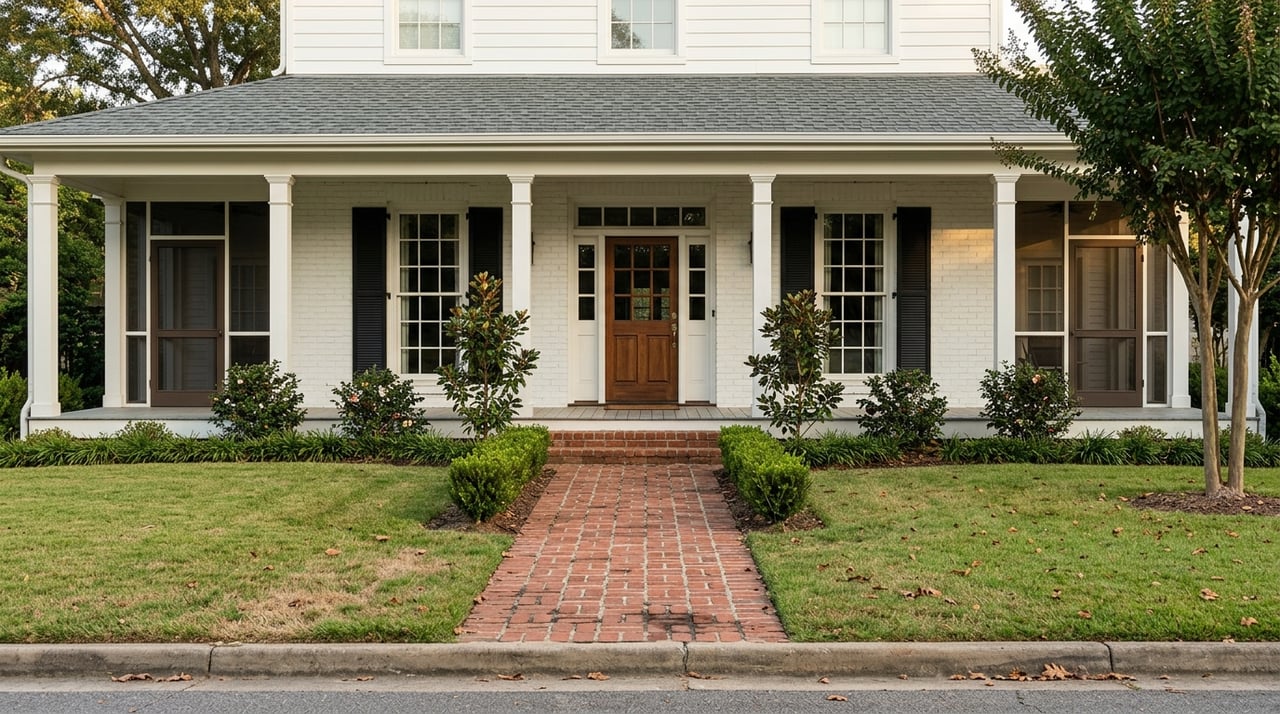
Buying in Greenwood often comes down to one big question: do you want history you can feel, or a home that may ask a little less of you day to day? If you are weighing an older property against a newer one, you are not alone. In a city shaped by river access, rail growth, and long-standing neighborhood character, your decision is about more than square footage. It is about maintenance, setting, renovation plans, and how you want to live in the home. Let’s dive in.
Why This Choice Matters in Greenwood
Greenwood is not a market where every home fits a standard mold. With 14,086 residents, 6,807 housing units, a median owner-occupied home value of $108,900, and an owner-occupied rate of 52.6%, the local market often feels driven by character, condition, and location rather than by large blocks of similar subdivision homes.
That is part of what makes Greenwood appealing. The city’s housing stock reflects its long history, from early residential districts to later homes that may blend into established streets without carrying the same architectural detail. When you shop here, you are often choosing between original character and predictability.
What Historic Homes Offer
Greenwood has several documented historic areas, including River Road, Western Downtown Residential, Williams Landing, Eastern Downtown Residential, and Grand Boulevard. These places are known for early 20th-century homes, mature landscaping, and streetscapes that feel distinct from newer construction.
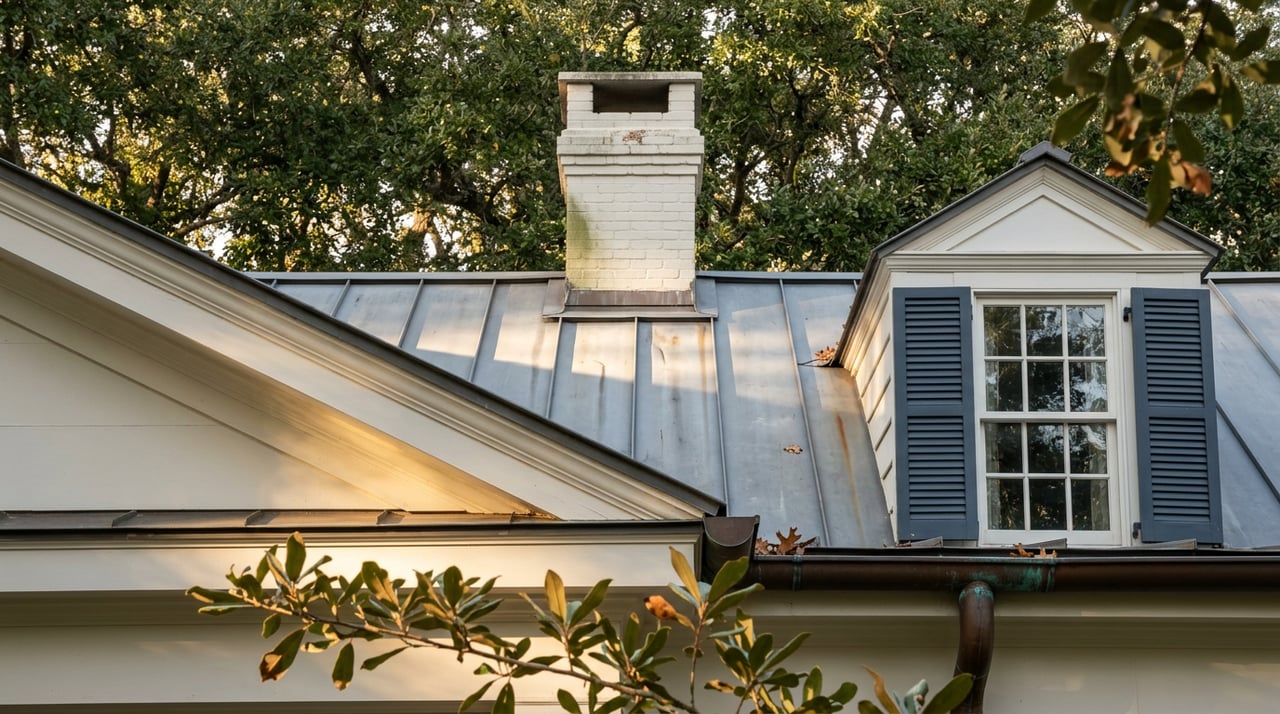
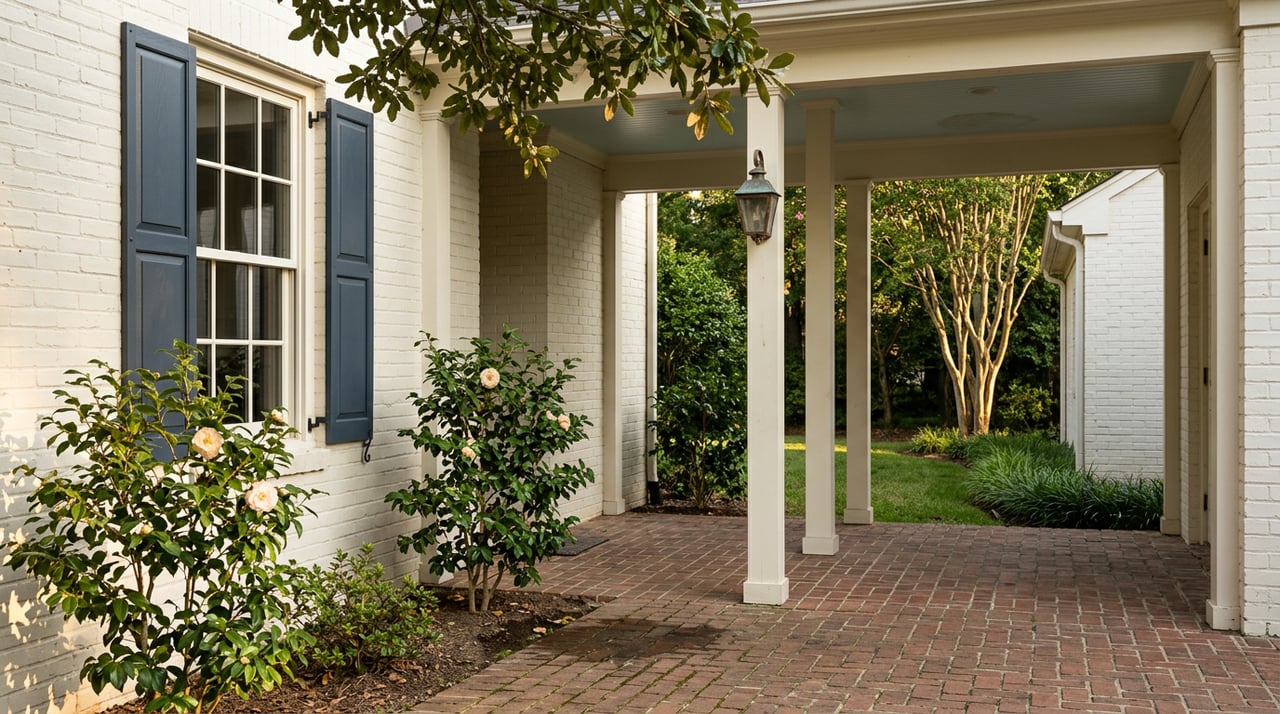
In these historic districts, you may see architectural styles such as Queen Anne, Prairie, Neo-Classical or Colonial Revival, Italian Renaissance, Tudor, Spanish Eclectic, and Bungalow. Many of these homes feature porch-heavy facades, larger setbacks, and details that would be costly to recreate today.
Historic Details You Can See
A historic home in Greenwood may include features like:
- Multi-light or patterned sash windows
- Leaded or stained glass
- Classical columns
- Decorative vents
- Turned posts and spindle work
- Balusters
- Wraparound porches
These details are a major draw for buyers who value craftsmanship and a strong sense of place. In districts like Grand Boulevard, the streetscape itself adds to the experience, with a wide divided boulevard lined with oak trees.
Historic Does Not Always Mean Original
It helps to go in with realistic expectations. Some historic homes have seen changes over time, including enclosed porches, reduced porch sizes, replacement millwork, brick veneer, or modern siding.
That means a home can still be historic without being fully untouched. If original features matter to you, it is worth looking closely at what remains and what has already been altered.
The Lifestyle Side of Historic Homes
Historic homes in Greenwood often come with more layered landscaping and larger-feeling lots. In the River Road district, some front lawns are described as roughly 50 to 125 feet deep, which can create a more expansive look and feel.
That setting can be a real advantage if you love established trees, outdoor space, and architecture with personality. At the same time, homes tied closely to river-adjacent land may call for extra review of drainage and flood risk.
What Newer Homes Offer
Newer homes in Greenwood usually appeal to buyers who want a more straightforward ownership experience. Instead of being judged mainly by historic detail, these homes are often evaluated based on layout, condition, systems, finishes, drainage, and permit history.
The City of Greenwood’s Community Development Department handles inspections, code enforcement, building permits, zoning, and recommendations to planning and historic preservation bodies. The city states that it abides by the 2012 International Building Code and the 2015 Zoning and Development Code.
Easier Predictability
In practical terms, newer homes may give you more predictability. You are still doing due diligence, but you are less likely to run into issues involving historic material matching or district-level exterior approvals.
That can be a real benefit if you want a home that feels easier to update over time. For many buyers, the tradeoff is simple: less architectural individuality in exchange for fewer preservation-related constraints.
How Newer Homes Fit Greenwood
District studies note that Greenwood’s post-Depression houses can be compatible in scale, mass, material, and setting, even if they do not match older homes in fine detail. That is useful to keep in mind when you tour newer or later-built homes in established areas.
A newer home may fit the street well without offering the same porch detail, ornament, or custom craftsmanship. If your priority is function over historic charm, that may be exactly the right balance.
Key Tradeoffs to Consider
Choosing between historic and newer homes in Greenwood usually comes down to your comfort with four things: maintenance, oversight, renovation, and setting.
Here is a simple way to think about it:
| Factor | Historic Homes | Newer Homes |
|---|---|---|
| Character | Strong architectural detail and original craftsmanship | More standardized appearance |
| Maintenance | May require more upkeep and specialized repairs | Often fewer age-related surprises |
| Renovation | May involve district review and material matching | Typically follows standard permit and code paths |
| Setting | Often mature trees, larger setbacks, established streets | Often more focused on function and ease |
Neither option is better across the board. The right fit depends on how you want to spend your time, money, and energy after closing.
Questions to Ask Before You Decide
Whether you are looking at a restored historic home or a more recent build, asking the right questions early can save you time and stress.
Ask About Build Year and Permits
Start with the basics. Ask what year the house was built and whether major renovations or additions were permitted through the city.
Since Greenwood’s Community Development Department handles permits and inspections, permit history can tell you a lot about how work was completed. This matters for both older and newer homes.
Ask If the Home Is in a Historic District
If you are interested in an older property, find out whether it is in a locally reviewed historic district. Greenwood notes that some historic districts are overseen by the Historic Preservation Commission.
That does not automatically mean ownership will be difficult. It does mean you should understand what kinds of exterior changes may require review before you make plans.
Ask About Lead-Based Paint
For homes built before 1978, lead-based paint should be part of your review. Older homes are more likely to contain lead-based paint, and buyers of most pre-1978 housing have the right to receive lead information before signing.
Sellers must provide a 10-day window for buyers to test for lead hazards. If renovation work will disturb lead-based paint, that work must be done by lead-safe certified contractors.
Ask About Flood Zone and Insurance
Flood review is especially important in Greenwood, particularly in river-adjacent areas. Since parts of the city are closely tied to the Yazoo and Tallahatchie river system, flood-zone verification should happen early in your search.
Do not treat flood insurance as a last-minute question. Ask whether the home is in a flood zone and what the insurance cost may look like before you get too far down the road.
Ask About Renovation Incentives
If you are considering a historic property and plan to improve it, ask whether the project may qualify for preservation incentives. Greenwood says properties in historic districts may be eligible for tax credits and other redevelopment incentives through the Mississippi Department of Archives and History.
MDAH states that the federal historic preservation credit is 20% for certified rehabilitation of a certified historic structure used for income-producing purposes. Mississippi’s state historic preservation credit is 25% and can apply to owner-occupied residential rehabilitation.
How to Match the Home to Your Goals
The clearest way to make this decision is to think beyond the listing photos. Ask yourself what kind of ownership experience you want once the excitement of the purchase wears off.
A Historic Home May Fit You If
A historic Greenwood home may be the right fit if you:
- Love architecture and original details
- Appreciate mature trees and established streetscapes
- Are comfortable with ongoing maintenance
- Do not mind researching preservation rules
- Want a home with a stronger sense of story and place
A Newer Home May Fit You If
A newer home may be the better choice if you:
- Want simpler upkeep and fewer renovation surprises
- Prefer more standard systems and finishes
- Expect future updates to be more straightforward
- Value ease and predictability over historic detail
- Want to focus more on function than preservation
Why Local Guidance Matters in Greenwood
In Greenwood, this choice is rarely just about age. It is about the relationship between the house, the lot, the street, permits, possible district oversight, and your long-term plans.
That is where local market knowledge makes a difference. A buyer comparing a River Road property to a later-built home nearby may need help evaluating permit history, flood questions, renovation appetite, and the true cost of owning each type of property over time.
When you have a team that understands Greenwood’s historic neighborhoods and the practical side of inspections, contractors, and transaction details, it becomes easier to choose with confidence. If you are weighing historic charm against newer-home ease, Pam Powers can help you sort through the tradeoffs and find the right fit for your goals.
FAQs
What makes historic homes in Greenwood different from newer homes?
- Historic homes in Greenwood often offer original architectural details, larger setbacks, mature landscaping, and placement in documented historic districts, while newer homes are usually chosen more for standard performance, easier updating, and fewer preservation-related constraints.
What should buyers ask about a historic home in Greenwood?
- You should ask about the year built, permit history, whether the home is in a locally reviewed historic district, whether it has been tested for lead-based paint, whether it is in a flood zone, and whether planned renovations may qualify for preservation incentives.
Are newer homes in Greenwood easier to maintain?
- In many cases, yes. Newer homes may involve fewer age-related surprises and are less likely to require historic material matching or district-level review for exterior changes, though you still need to review permits, drainage, and overall condition.
Do historic homes in Greenwood qualify for tax credits?
- Some properties in historic districts may be eligible for redevelopment incentives through the Mississippi Department of Archives and History. MDAH says the state credit is 25% and can apply to owner-occupied residential rehabilitation, while the federal 20% credit applies to certified historic structures used for income-producing purposes.
Why is flood review important when buying in Greenwood?
- Greenwood’s location within the Yazoo and Tallahatchie river system means flood-zone verification is important, especially for river-adjacent areas like River Road. Buyers should review flood hazard status and insurance costs early in the process.